 PanPebbles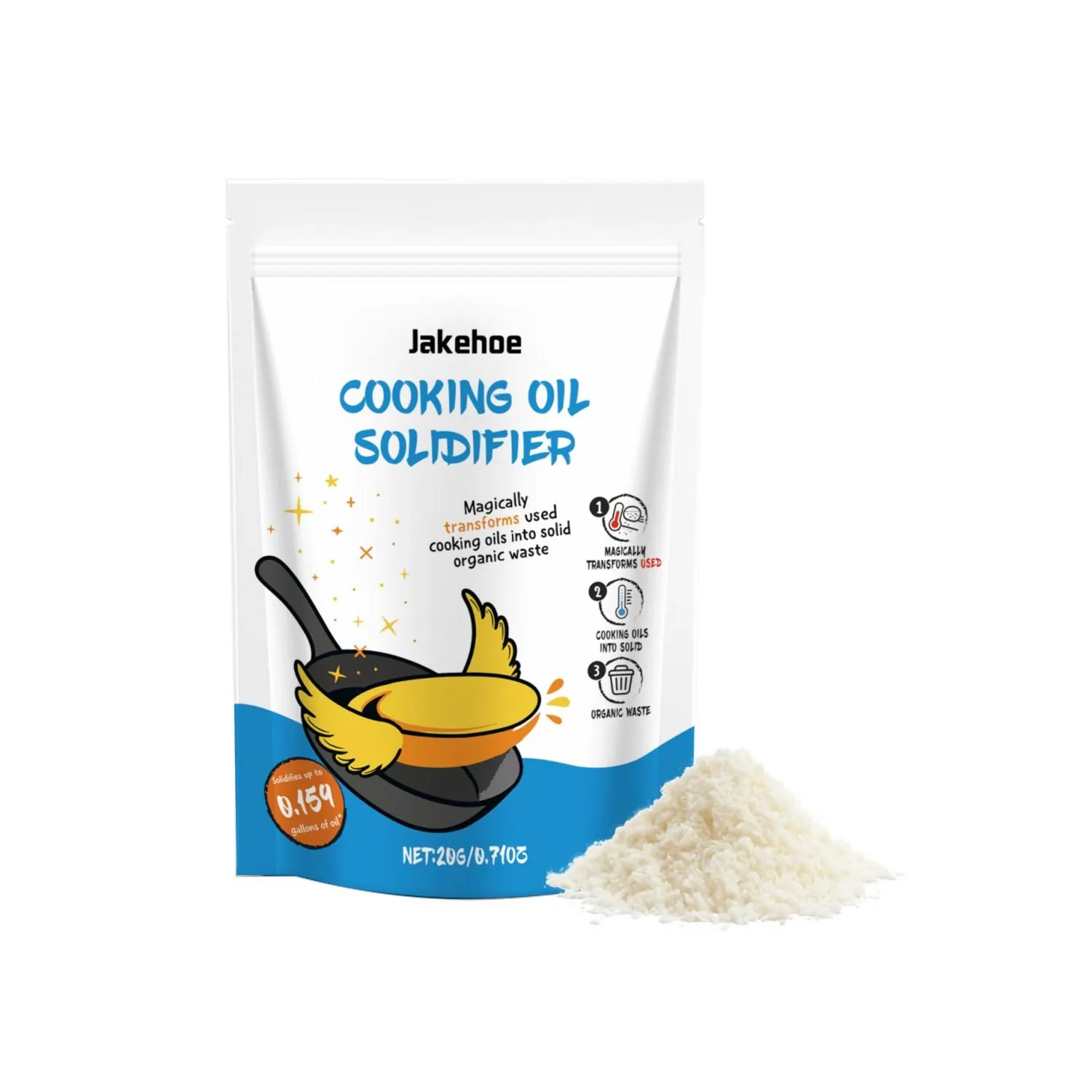
Cooking Oil Solidifier Sachets (20 g)
A single-use 20 g sachet of powder that you stir into hot used cooking oil. The pack states it sets up to about 0.6 litres of oil as it cools.
from € 24,99
ViewUsed cooking oil is easy to get wrong. Poured down the sink it ends up clogging pipes, and it is awkward to bin while it is still liquid. Here is what works.
Published:
Oil and fat cool and stick to the inside of pipes, where they build up together with food scraps. Over time that narrows the pipe and causes blockages and smells, and it puts extra load on the sewer system. Hot water does not fix it: the fat simply sets further along.
Never handle hot oil. Leave the pan until the oil is completely cool, then pour it through a fine sieve or a coffee filter to catch crumbs and food particles. The strained oil is much easier to store, reuse or dispose of.
Oil from light frying can often be filtered and used again. Keep it in a sealed container in a cool, dark place. Throw it away if it smells off, looks dark or cloudy, foams or starts to smoke at a low temperature, and do not top it up with fresh oil indefinitely.
For the oil left in pans and trays, wipe it out with kitchen paper before washing up and put the paper in the general waste. This alone removes most of the fat that would otherwise end up in the sink.
Pour cooled, strained oil into a container with a tight lid, such as an old bottle or jar. Rules differ by municipality: some accept used cooking oil at the recycling point, some collect it separately, and some allow small amounts in a closed container with household waste. Check your own municipality's website for what applies to you.
An oil solidifier is a powder you stir into hot used oil. As the oil cools it sets solid, so you can handle it as waste without spills. Follow the instructions on the pack and your local disposal rules. It is a convenience, not a necessity: cooling the oil and sealing it in a container works too, but a solid block is easier to bin after deep-frying.
Even careful cooks send some scraps down the drain. A sink strainer catches solids, and keeping fat out of the sink in the first place does the rest. Empty the strainer into the bin after each wash-up.
Do not pour oil into the toilet, a garden drain, the soil or the compost, and do not pour it into the general waste while it is still liquid and leaking. Do not mix it with other liquid waste.
A single-use 20 g sachet of powder that you stir into hot used cooking oil. The pack states it sets up to about 0.6 litres of oil as it cools.
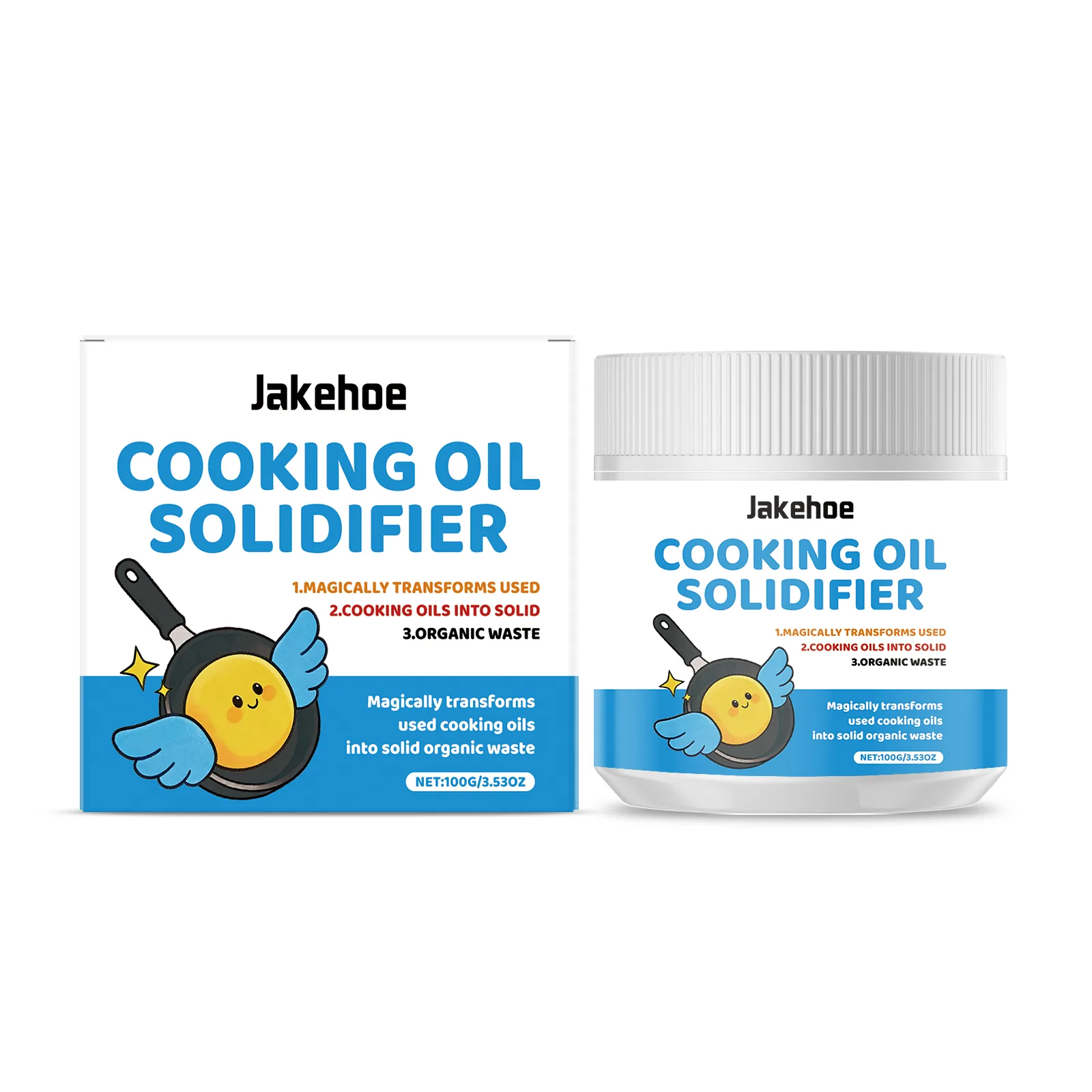
A 100 g tub of powder that you stir into hot used cooking oil. As the oil cools it sets solid, so you can dispose of it as local rules require.
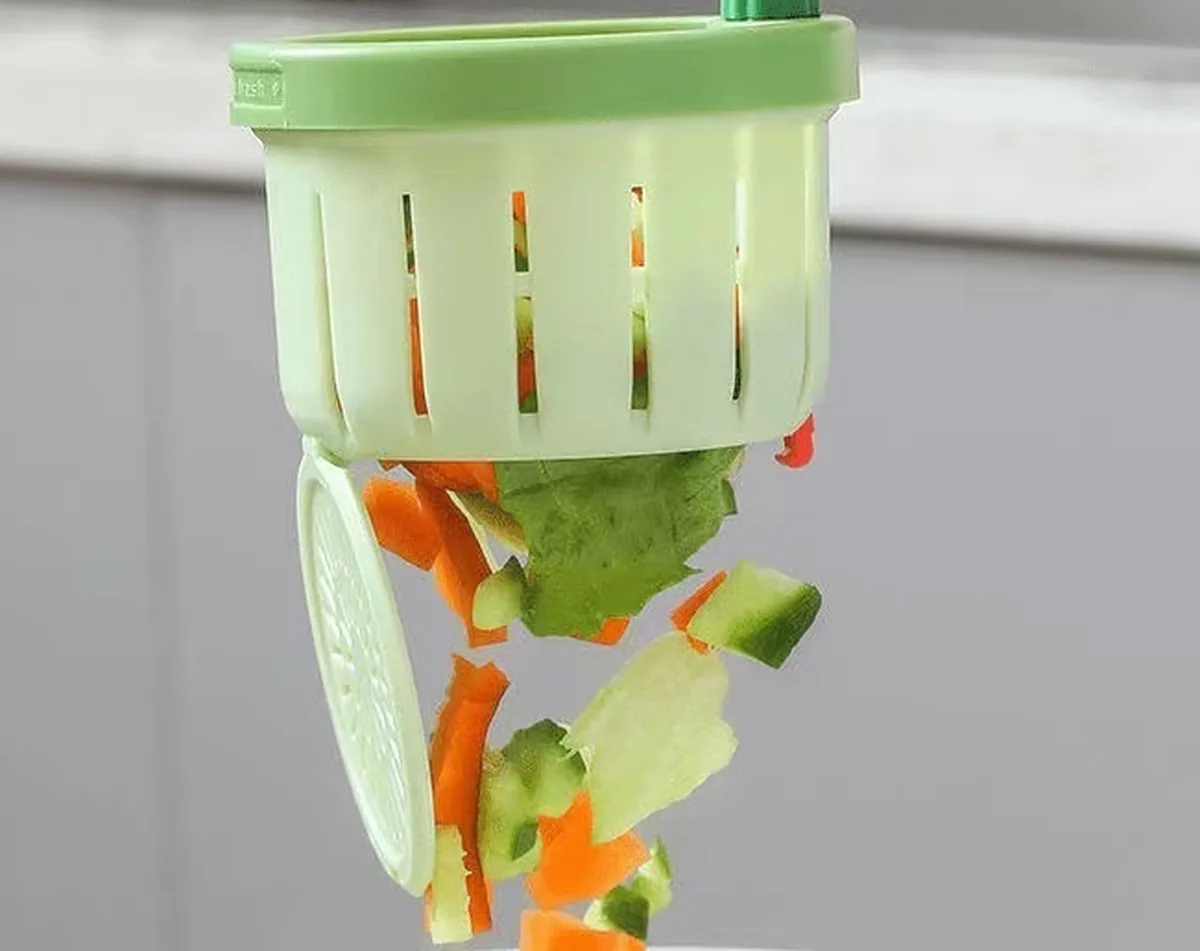
A sink strainer basket with a cactus-shaped handle that keeps food scraps out of the drain.
Do not share card numbers. Contact us by email