 PanPebbles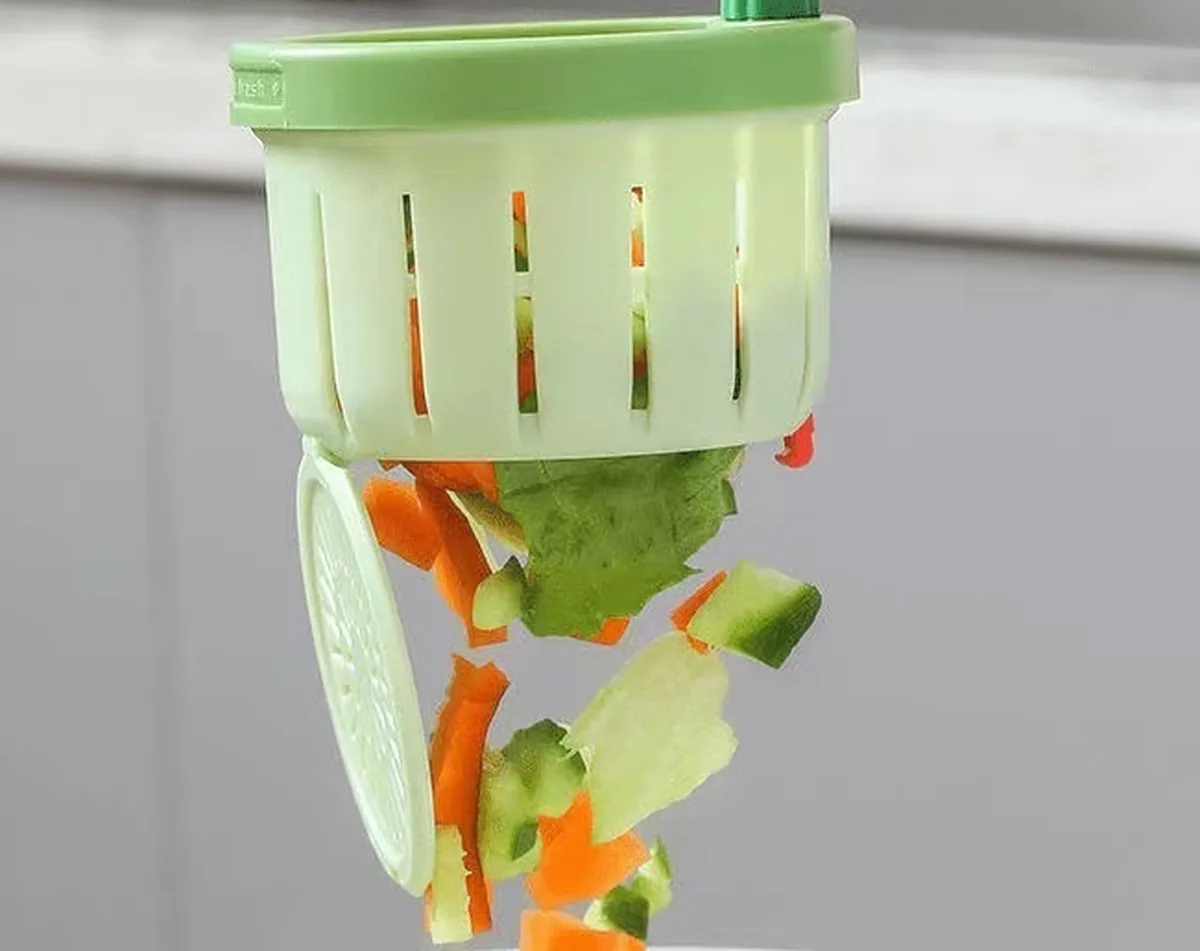
Cactus Sink Strainer Basket
A sink strainer basket with a cactus-shaped handle that keeps food scraps out of the drain.
from € 27,99
ViewMost kitchen sink clogs are not a mystery. They are fat, food scraps and a little neglect. A few habits keep the drain running and save you a call to the plumber.
Published:
The usual suspects are cooking fat and oil that cool and stick to the pipe, rice and pasta that swell with water, coffee grounds that settle in the bend, eggshells, and fibrous peelings. They rarely block the drain in one go. They build up layer by layer until the water slows down.
Let used oil and fat cool, pour it into a jar or an old container, and put that in the bin. Wipe greasy pans with kitchen paper before washing up. Hot water does not fix this: the fat just moves further down the pipe and solidifies there.
Scrape leftovers into the food waste or general bin before you rinse. Coffee grounds and tea leaves go in the bin or compost, never down the sink.
A strainer basket in the plug hole catches the solids that do get past you: rice, peelings, small scraps. Empty it after each wash-up, because a full strainer slows the water just as much as a clog. Some are simple mesh baskets; others have a handle or a mechanism that lets you tip the contents straight into the bin.
Once a week, run the hot tap for a minute or two after you have finished. This only helps if the pipe is clean; it will not melt a fat blockage further down.
If the water is draining slowly, try a sink plunger first: block the overflow with a wet cloth, cover the plug hole with water, and plunge firmly for 20 to 30 seconds. A drain snake or a wire hook can pull out hair and scraps from the trap. A baking-soda-and-vinegar fizz can help freshen the pipe, but do not expect it to clear a real blockage.
If the sink is completely blocked, the water backs up into a second sink or the dishwasher, or the drain smells of sewage, stop and call someone. Strong chemical drain cleaners can damage old pipes and are hazardous if they splash, so use them only as the product label describes, and never mix them with other cleaners.
A sink strainer basket with a cactus-shaped handle that keeps food scraps out of the drain.
Do not share card numbers. Contact us by email